Stroke & CVA Rehabilitation
- Home
- Conditions Treated
- Stroke & CVA Rehabilitation
Stroke & CVA Rehabilitation Treatment
Post-stroke rehabilitation and recovery is our forte. We combine advanced neuroplasticity
enhancement, personalised spasticity management, and targeted injection therapy — helping patients reclaim function, independence, and quality of life after stroke.
Rehabilitation and recovery after stroke is the cornerstone of our practice. Every programme is
built around the individual patient — their deficits, their goals, and their neurological recovery
trajectory
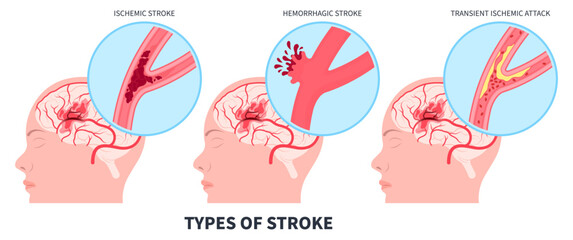
TYPES OF CVA
ISCHAEMIC STROKE
Arterial occlusion & infarction
Caused by thrombotic or embolic blockage — leading to ischaemic infarction. Accounts for ~85% of strokes. Deficits depend on the territory involved.
HAEMORRHAGIC STROKE
Intracerebral & subarachnoid bleeding
Caused by rupture of a blood vessel within or around the brain — often resulting in more severe deficits and greater rehabilitation complexity.
ASSESSMENT
Comprehensive Neurological & Functional Assessment
MRI brain for lesion mapping, clinical neurological examination, NIHSS for stroke severity, and speech & cognitive screening — all combined to
personalise the rehabilitation programme.
Treatment Modalities
A personalised three-modality programme — neuroplasticity, spasticity management, targeted injections
Every rehabilitation programme is built around the individual patient’s deficit profile, lesion location, and recovery goals
— adjusted at each review based on functional progress.
We deliver targeted energy to specific cortical areas — modulating neuronal excitability and promoting neuroplastic
reorganisation of motor and cognitive circuits after stroke. By stimulating the affected hemisphere and suppressing
maladaptive contralateral overactivity, this approach facilitates recovery in motor function, speech, and cognition —
personalised to the patient’s lesion and deficit pattern
Peripheral Neuroplasticity — Reducing Post-Stroke Hypertonia
Advanced magnetic stimulation is applied directly to spastic muscle groups — modulating the abnormal motor neuron
firing patterns that underlie post-CVA spasticity. This reduces hypertonia, improves range of motion, and creates a
therapeutic window for rehabilitation. Personalised to the patient’s specific spasticity pattern and functional goals.
Botulinum Toxin for Focal Spasticity
Precisely administered injections into spastic muscle groups produce focal, reversible reduction in muscle overactivity
— reducing painful spasms, correcting abnormal posturing, and creating a therapeutic window for intensive rehabilitation. Muscle selection and dosing are personalised to each patient’s spasticity distribution.
0
+
Years of botulinum toxin injection experience in neurological spasticity — precision in muscle
selection, dosing, and technique refined across thousands of cases.
Recovery is not a single moment — it is a personalised programme
With neuroplasticity enhancement for cortical recovery, peripheral stimulation for spasticity, and precisely delivered
botulinum toxin, patients achieve measurable gains in limb function, communication, and independence. Every
protocol is personalised — because every stroke is different.
| What Makes Our Practice Different | |||||
|---|---|---|---|---|---|
|
Personalised Protocols
Every plan tailored to the individual
|
Advanced Technology
Cutting-edge non-invasive therapeutic science
|
Mechanism-Based Care
We treat biology, not just symptoms
|
23+ Years Experience
Decades of specialist clinical wisdom
|
Whole Person Approach
Mind, body & lifestyle integrated
|
Objective Outcomes
Measurable results — not just relief
|
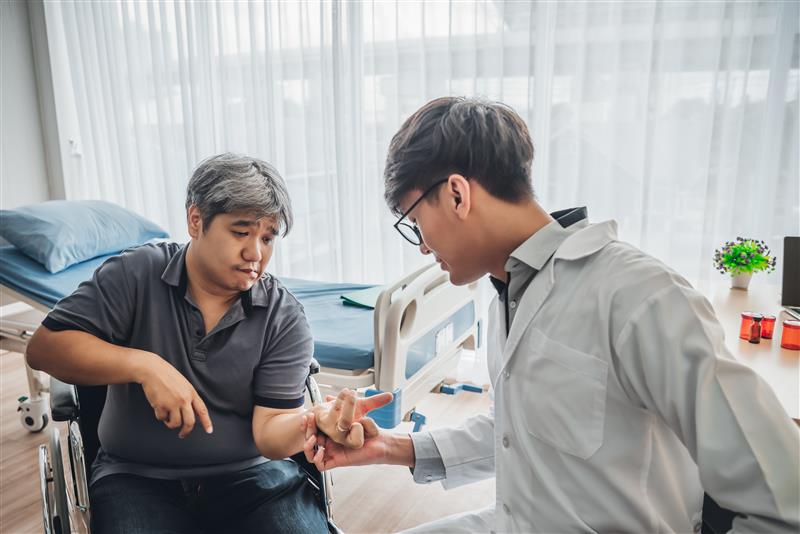
Comprehensive Evaluation by Best Stroke Specialist in Hyderabad
Rehabilitation begins with a detailed neurological assessment by Dr. Sreekanth Vemula, a senior neurophysician with 26 years of experience. Using advanced tools such as EEG, EMG, and nerve conduction studies, we assess neurological deficits and design individualized recovery plans that promote functional improvement and neuroplasticity.
Integrated Stroke Rehabilitation Programs
Integrated stroke rehabiliation program for complete post-stroke recovery support include:
- Physiotherapy: Strengthening weak muscles, improving balance, and restoring movement.
- Occupational Therapy: Enhancing daily activity skills and self-care functions.
- Speech & Cognitive Therapy: Aiding communication, memory, and problem-solving recovery.
- Botulinum Toxin Injections: Effective management of post-stroke spasticity to reduce stiffness and improve mobility.
Additionally, dietician consultations and lifestyle guidance support long-term wellness and secondary stroke prevention.
When to Consult Dr. Sreekanth Vemula:
If you notice any stroke symptoms, don’t wait—seek immediate medical attention. Early intervention can reduce the risk of permanent damage.
Services
- Epilepsy
- Dystonias
- Mood Disorders
- Vertigo
- Tinnitus
- Balance Disorders
- Obstructive Sleep Apnea
- Peripheral Neuropathy
- Migraine
- Stroke
- Trigeminal Neuralgia
- Alzheimers
- Parkinson's Disease
- Myasthenia Gravis
- Meningitis
- Bell’s Palsy
- Cerebral Palsy
- Brain Injury
- Head Injury
- Restless Leg Syndrome
- Periodic Paralysis
- Scalp Cirsoid Aneurysm
- Krabbe Disease
- Fibromyalgia