Brain Injury
- Home
- Conditions Treated
- Brain Injury
Brain Injury Treatment
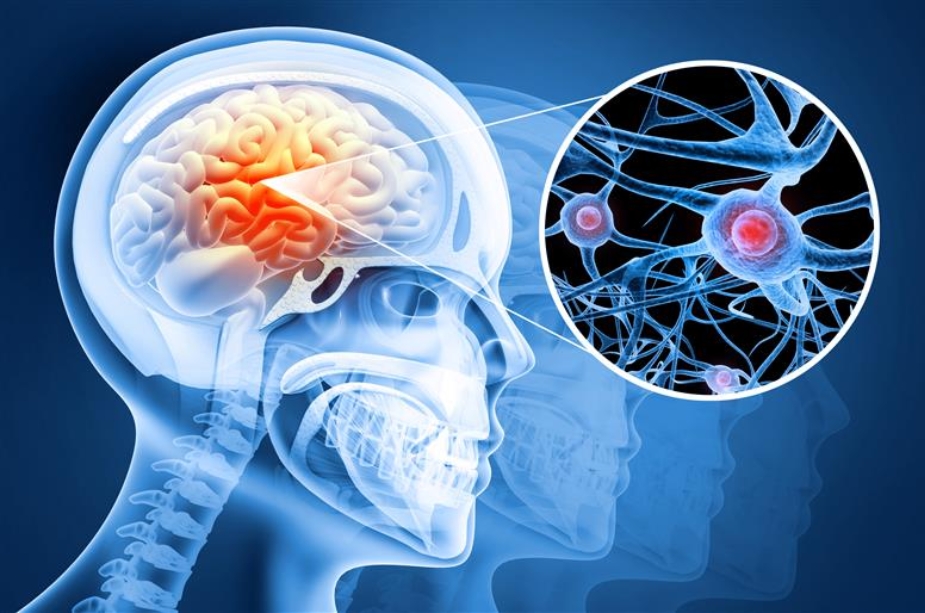
Brain injury occurs when the brain is damaged due to trauma, lack of oxygen, stroke, or other neurological events. Depending on severity, it can affect memory, movement, speech, mood, and daily functioning. Prompt evaluation and a personalized care plan are essential to prevent complications and maximize recovery.
Common Risk Factors
Trauma
Falls, road accidents, sports injuries, or direct blows to the head are common causes of brain injury.
Medical & Neurological
Stroke, hypoxia, infections, or pre-existing neurological disorders can contribute to brain damage.
Age & Lifestyle Factors
Young children, older adults, and individuals under the influence of alcohol or drugs are more susceptible.
DIAGNOSTIC WORKUP
Clinical & Neurological Assessment + Cognitive Testing
The evaluation begins with a careful assessment of neurological function, including reflexes, motor coordination, and cognitive skills. Cognitive tests and functional assessments measure memory, attention, problem-solving, and daily living abilities. Imaging studies such as CT scans or MRI help identify structural damage, bleeding, or swelling. Blood tests and other laboratory investigations may be performed to rule out metabolic or systemic causes.
Treatment Protocol
A Personalised Multi-Approach Plan — combining medications, therapy, lifestyle support, and rehabilitation.
Each plan is customized according to the type and severity of the brain injury, affected brain regions, and patient-specific needs.
Medication Therapy
Medications may be prescribed to control pain, reduce inflammation, prevent seizures, or manage associated neurological symptoms.
Cognitive & Neuropsychological Therapy
Targeted exercises improve memory, attention, problem-solving, and executive function, aiding recovery of mental abilities impacted by the injury.
Lifestyle & Support Programs
Structured routines, sleep hygiene, stress management, and gradual reintroduction to daily activities support overall recovery. Caregiver guidance and educational programs help optimize rehabilitation at home.
Together, these therapies address the brain, neurological function, and daily living skills, helping patients recover safely, reduce long-term complications, and regain independence.
| What Makes Our Practice Different | |||||
|---|---|---|---|---|---|
|
Personalised Protocols
Every plan tailored to the individual
|
Advanced Technology
Cutting-edge non-invasive therapeutic science
|
Mechanism-Based Care
We treat biology, not just symptoms
|
23+ Years Experience
Decades of specialist clinical wisdom
|
Whole Person Approach
Mind, body & lifestyle integrated
|
Objective Outcomes
Measurable results — not just relief
|
What is Brain Injury?
A brain injury refers to any damage to the brain caused by an external force. This damage can occur in various ways, such as from a blow to the head, a fall, or a car accident. Brain injuries can be classified into two types: traumatic brain injury (TBI) and acquired brain injury (ABI). TBI occurs when there is a direct impact on the head, while ABI happens when the brain is damaged by other factors like lack of oxygen or infections.
Brain injuries can range from mild, such as a concussion, to severe, resulting in long-term or permanent brain damage. The severity and long-term impact depend on the nature of the injury and the area of the brain affected.
Symptoms of Brain Injury
Symptoms of brain injury can vary depending on the type and severity of the injury. Some common symptoms include:
- Headaches: Persistent or severe headaches may occur after a brain injury.
- Dizziness and Balance Issues: Difficulty maintaining balance or feeling lightheaded.
- Confusion and Memory Loss: Trouble remembering things, confusion, or feeling disoriented.
- Nausea and Vomiting: Feeling sick to your stomach, especially after a head injury.
- Loss of Consciousness: Some people may lose consciousness, either briefly or for a longer period.
- Blurred Vision or Sensitivity to Light: Trouble seeing clearly or discomfort in bright light.
- Slurred Speech: Difficulty speaking or forming clear words.
- Mood Changes: Irritability, anxiety, depression, or sudden emotional shifts can result from brain injuries.
- Seizures: In some cases, brain injuries can cause seizures.
- Weakness or Numbness: Weakness or numbness in the arms, legs, or face on one side of the body.
These symptoms can vary from mild to severe and may worsen over time if left untreated.
What Causes Brain Injury?
Brain injuries can be caused by a variety of factors, including:
- Trauma: Physical injuries such as a fall, car accident, sports injury, or being struck by an object can lead to brain injury.
- Lack of Oxygen: Conditions like heart attack, stroke, or drowning can cause brain cells to die due to a lack of oxygen.
- Infections: Certain infections, such as meningitis or encephalitis, can damage the brain.
- Tumors or Growths: Abnormal growths in the brain, such as brain tumors, can lead to brain injury.
- Stroke: A stroke, caused by a blocked or ruptured blood vessel in the brain, can result in brain injury.
- Substance Abuse: Long-term alcohol or drug abuse can lead to brain damage over time.
- Neurological Disorders: Conditions like Alzheimer’s or Parkinson’s disease can gradually damage brain tissue.
Treatment Options for Brain Injury
The treatment for brain injury depends on the type and severity of the injury. The goal of treatment is to reduce brain damage, relieve symptoms, and help the patient recover as much function as possible. Treatment options include:
- Medical Management:
- Medication: Doctors may prescribe medications to manage symptoms like headaches, nausea, or seizures.
- Antibiotics or Antiviral Medications: If the injury is due to an infection, these medications may be used to treat the underlying cause.
- Physical and Occupational Therapy:
After a brain injury, therapy can help patients recover motor skills, regain strength, and improve coordination. Occupational therapy focuses on helping individuals perform daily activities, such as dressing and eating. - Speech Therapy:
For those who have trouble speaking or understanding language, speech therapy can help improve communication skills. - Rehabilitation:
Brain injury rehabilitation programs can help patients regain independence and adapt to changes in their abilities. These programs may involve a combination of physical therapy, speech therapy, and psychological support.
When to Consult a Neurophysician for Brain Injury
If you or someone you know experiences symptoms such as persistent headaches, confusion, dizziness, or changes in memory and behavior following a head injury, it is important to seek medical attention. Early intervention can help reduce the impact of brain injury and improve the chances of recovery.
Services
- Epilepsy
- Dystonias
- Mood Disorders
- Vertigo
- Tinnitus
- Balance Disorders
- Obstructive Sleep Apnea
- Peripheral Neuropathy
- Migraine
- Stroke
- Trigeminal Neuralgia
- Alzheimers
- Parkinson's Disease
- Myasthenia Gravis
- Meningitis
- Bell’s Palsy
- Cerebral Palsy
- Brain Injury
- Head Injury
- Restless Leg Syndrome
- Periodic Paralysis
- Scalp Cirsoid Aneurysm
- Krabbe Disease
- Fibromyalgia