ALS (Amyotrophic Lateral Sclerosis) Treatment
- Home
- Conditions Treated
- Amyotrophic Lateral Sclerosis (ALS)
ALS (Amyotrophic Lateral Sclerosis) Treatment
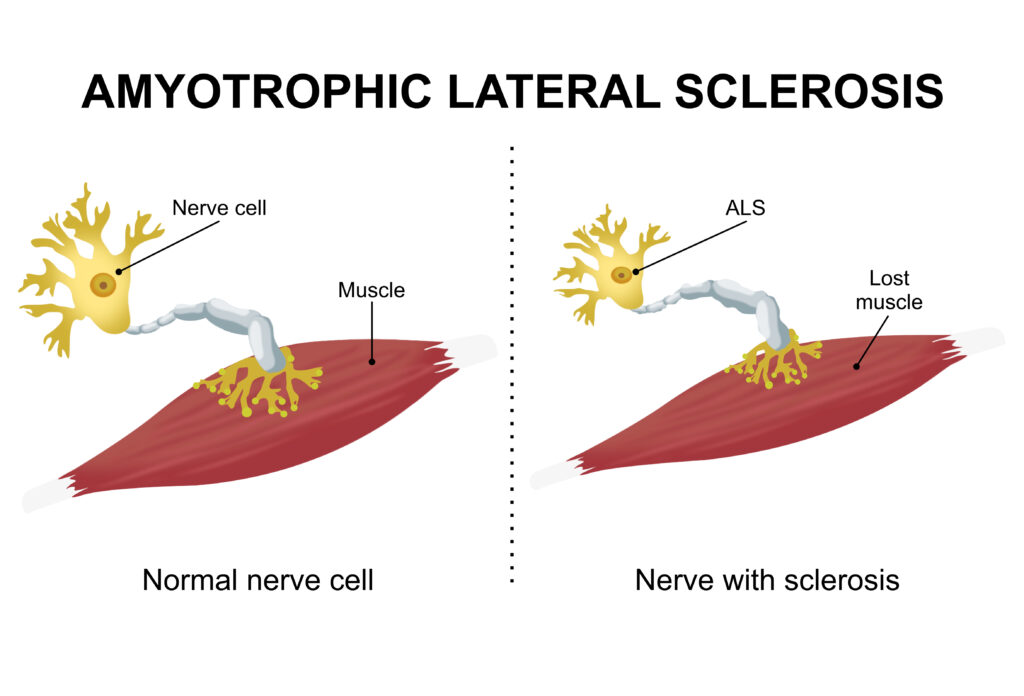
ALS is a progressive neuromuscular disorder that affects the nerve cells controlling voluntary muscles. Over time, it leads to muscle weakness, loss of coordination, difficulty speaking, swallowing, and eventually breathing challenges. While there is no cure, early diagnosis and comprehensive care can slow progression, improve quality of life, and help patients maintain independence.
Common Risk Factors
Genetic Factors
Certain gene mutations can increase susceptibility, particularly in familial forms of ALS.
Age & Gender
ALS usually develops between ages 40–70 and is slightly more common in men.
Medical & Neurological Conditions
Other neuromuscular or autoimmune disorders may influence disease progression.
Environmental & Lifestyle
Exposure to toxins, heavy physical activity, or smoking may contribute, though the exact causes are not fully understood.
DIAGNOSTIC WORKUP
Clinical & Neurological Assessment + Laboratory & Electrophysiological Testing
Diagnosis begins with a thorough neurological evaluation, including assessment of muscle strength, reflexes, coordination, and motor function. Electromyography (EMG) and nerve conduction studies (NCS) are performed to assess nerve and muscle activity. Blood tests and imaging (MRI) help rule out other neurological disorders.
Treatment Protocol
A Personalised Multi-Approach Plan — combining medications, therapy, lifestyle support, and assistive interventions.
Each plan is customized to the type, severity, and progression of ALS or other neuromuscular disorders, and is adjusted as symptoms change to ensure optimal support and quality of life.
Medication Therapy
Medications are prescribed to slow disease progression, manage muscle spasticity, control excessive saliva, and relieve pain or discomfort.
Physical & Occupational Therapy
Therapies focus on maintaining muscle strength, improving coordination, and assisting with safe mobility. Occupational therapy helps patients perform daily activities safely and maintain independence.
Respiratory & Swallowing Support
Breathing exercises, respiratory therapy, and speech/swallowing therapy help manage respiratory and feeding challenges. Non-invasive ventilation may be used in advanced stages.
Lifestyle & Support Programs
Structured daily routines, nutritional guidance, caregiver education, and stress-management strategies support patient well-being and improve functional outcomes.
Advanced Interventions
In selected cases, assistive devices such as wheelchairs, braces, or communication aids are provided. Multidisciplinary rehabilitation programs are tailored to each patient’s abilities to optimize mobility and quality of life.
Together, these interventions address the nervous system, muscles, and daily living skills, helping patients maintain function, manage symptoms, and preserve independence.
| What Makes Our Practice Different | |||||
|---|---|---|---|---|---|
|
Personalised Protocols
Every plan tailored to the individual
|
Advanced Technology
Cutting-edge non-invasive therapeutic science
|
Mechanism-Based Care
We treat biology, not just symptoms
|
23+ Years Experience
Decades of specialist clinical wisdom
|
Whole Person Approach
Mind, body & lifestyle integrated
|
Objective Outcomes
Measurable results — not just relief
|