Cervical Radiculopathy
- Home
- Conditions Treated
- Cervical Radiculopathy
Cervical Radiculopathy Treatment
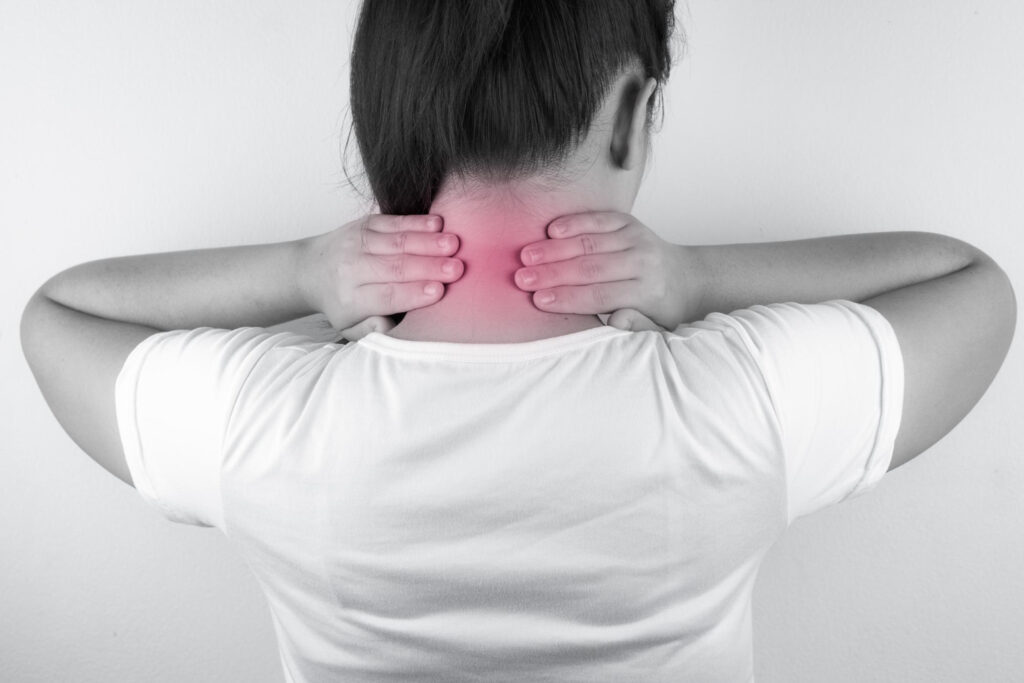
Cervical radiculopathy occurs when a nerve in the neck is compressed or irritated, often due to a herniated disc, bone spurs, or degenerative changes. This compression can cause pain, tingling, numbness, or weakness that radiates from the neck into the shoulders, arms, or hands. Daily activities such as lifting, typing, driving, or even turning the head can become uncomfortable or difficult. Early diagnosis and proper treatment can prevent worsening of symptoms and improve quality of life.
Common Risk Factors
Herniated Discs
A slipped or bulging disc in the cervical spine can press against nearby nerves, triggering pain, tingling, or numbness down the arm.
Degenerative Spine Changes
Age-related wear and tear, arthritis, or bone spurs may narrow nerve pathways, leading to compression and irritation.
Injury or Trauma
Accidents, falls, or sudden neck movements can cause nerve inflammation or disc damage.
Posture & Lifestyle
Poor posture, prolonged desk work, heavy lifting, or repetitive neck motions can worsen symptoms over time.
DIAGNOSTIC WORKUP
Clinical Examination + Imaging + Nerve Tests
Dr. Sreekanth Vemula performs a thorough neurological and physical examination to evaluate muscle strength, reflexes, and sensory function. Imaging tests such as MRI or CT scans help identify disc herniation, bone spurs, or spinal narrowing, while nerve conduction studies (NCS) and electromyography (EMG) confirm the affected nerve and severity of compression.
Treatment Protocol
A Personalised Multi-Approach Plan — combining medications, therapy, lifestyle adjustments, and advanced interventions.
Medications
Pain-relieving and anti-inflammatory medications help reduce discomfort and make daily activities easier. Muscle relaxants or nerve-stabilizing drugs may also be prescribed depending on the type of nerve irritation.
Physiotherapy
Targeted exercises strengthen neck and shoulder muscles, improve posture, enhance flexibility, and support spinal alignment. Physiotherapy also helps relieve pressure on affected nerves, restore mobility, and prevent recurrence.
Transcranial Magnetic Stimulation (TMS)
A non-invasive therapy that helps reduce nerve pain by modulating brain signals associated with pain perception. TMS is especially useful for patients with chronic or difficult-to-treat symptoms.
Lifestyle & Ergonomic Adjustments
Correcting posture, optimizing workspace ergonomics, avoiding prolonged neck strain, and including gentle neck stretches in daily routines can prevent worsening of symptoms.
| What Makes Our Practice Different | |||||
|---|---|---|---|---|---|
|
Personalised Protocols
Every plan tailored to the individual
|
Advanced Technology
Cutting-edge non-invasive therapeutic science
|
Mechanism-Based Care
We treat biology, not just symptoms
|
23+ Years Experience
Decades of specialist clinical wisdom
|
Whole Person Approach
Mind, body & lifestyle integrated
|
Objective Outcomes
Measurable results — not just relief
|
Cervical Radiculopathy Treatment in Madhapur
Cervical radiculopathy is a condition that occurs when a nerve in the neck is compressed, causing pain, numbness, or weakness that can radiate down the arm.
Symptoms of Cervical Radiculopathy:
- Neck pain that radiates down the arm
- Numbness or tingling in the arms or hands
- Weakness in the arm muscles
When to Consult Dr. Sreekanth Vemula:
If you have neck pain that extends into your arms or if you experience numbness or weakness, it’s important to seek treatment. Early intervention can prevent further complications.
Treatment Options:
- Medications: To manage pain and inflammation.
- Physiotherapy: Strengthening exercises and posture correction.
- TMS: A non-invasive option for pain relief.
- Surgery: In severe cases, surgery may be needed to relieve nerve compression.
Services
- Epilepsy
- Dystonias
- Mood Disorders
- Vertigo
- Tinnitus
- Balance Disorders
- Obstructive Sleep Apnea
- Peripheral Neuropathy
- Migraine
- Stroke
- Trigeminal Neuralgia
- Alzheimers
- Parkinson's Disease
- Myasthenia Gravis
- Meningitis
- Bell’s Palsy
- Cerebral Palsy
- Brain Injury
- Head Injury
- Restless Leg Syndrome
- Periodic Paralysis
- Scalp Cirsoid Aneurysm
- Krabbe Disease
- Fibromyalgia