Myasthenia Gravis
- Home
- Conditions Treated
- Myasthenia Gravis
Myasthenia Gravis Treatment
Myasthenia Gravis is a rare autoimmune condition that causes weakness in the muscles you use to move your body. The immune system attacks the connection between nerves and muscles, making them weaker. This can make daily activities like lifting your arms, swallowing, speaking, or walking difficult. Symptoms often worsen with activity but improve with rest.
Common Risk Factors
Immune System Dysfunction
The body’s immune system mistakenly attacks receptors that allow nerves to communicate with muscles.
Thymus Gland Abnormalities
Many patients have an abnormal thymus gland, which may trigger the immune attack.
Genetic Factors
Some genes may increase the likelihood of developing Myasthenia Gravis, even without a family history.
Other Autoimmune Conditions
People with other autoimmune diseases like lupus may have a higher risk.
DIAGNOSTIC WORKUP
Clinical Examination + Blood Tests + Nerve and Muscle Tests
Dr. Sreekanth Vemula carefully evaluates your condition with a complete check-up that looks at muscle strength, nerve function, and overall neurological health. This may include blood tests to check for antibodies and special tests to see how your nerves and muscles are working. This thorough assessment ensures an accurate diagnosis and helps create a treatment plan tailored just for you.
Treatment Protocol
A Personalised Multi-Approach Plan — combining medications, therapy, and supportive care.
Each plan is customized based on your condition, severity, and underlying causes. Treatments are adjusted as you progress to ensure optimal results.
Medications
Medications that improve communication between nerves and muscles, reducing weakness and making daily activities easier.
Physical Therapy
Exercises to strengthen muscles, improve coordination, and maintain mobility.
Lifestyle & Activity Management
Avoiding activities that cause fatigue, managing stress, getting adequate rest, and following a balanced diet can help reduce symptoms.
Plasmapheresis & Immunoglobulin Therapy
In severe cases, procedures that filter harmful antibodies from the blood or provide antibody therapy may provide short-term relief.
This comprehensive approach targets the immune system, muscles, and overall function, helping patients manage symptoms, regain strength, and improve daily life.
| What Makes Our Practice Different | |||||
|---|---|---|---|---|---|
|
Personalised Protocols
Every plan tailored to the individual
|
Advanced Technology
Cutting-edge non-invasive therapeutic science
|
Mechanism-Based Care
We treat biology, not just symptoms
|
23+ Years Experience
Decades of specialist clinical wisdom
|
Whole Person Approach
Mind, body & lifestyle integrated
|
Objective Outcomes
Measurable results — not just relief
|
What is Myasthenia Gravis?
Myasthenia Gravis is a rare condition that causes weakness in the muscles that help you move your body. This happens when the body’s immune system attacks the connection between nerves and muscles. As a result, muscles become weaker, and activities like lifting your arms, swallowing, or even speaking can become difficult. The condition tends to worsen with activity but improves with rest.
Symptoms of Myasthenia Gravis
The main symptom of Myasthenia Gravis is muscle weakness. It may be more noticeable after using the muscles for a while, and it often improves with rest. Common symptoms include:
- Weakness in the Arms, Legs, or Face: You may feel like your muscles get tired quickly, especially after use.
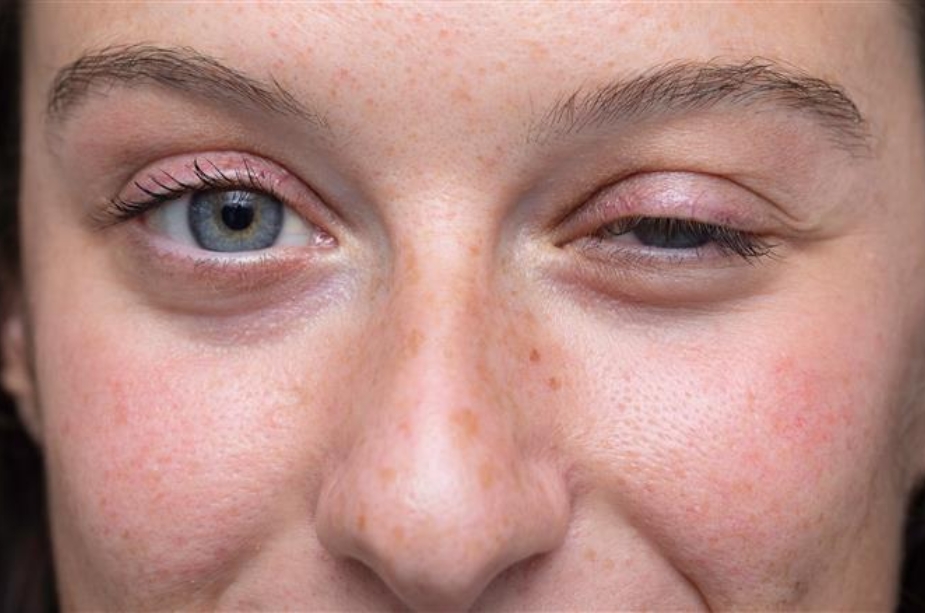
- Drooping Eyelids: The muscles that control eyelids may become weak, causing one or both eyelids to droop.
- Double Vision: Weakness in the muscles around the eyes can cause double vision, especially when looking in certain directions.
- Difficulty Swallowing or Speaking: Weakness in the throat muscles can make swallowing and speaking hard.
- Fatigue: You may feel more tired than usual, especially as the day goes on.
These symptoms can vary from mild to severe and may change over time.
What Causes Myasthenia Gravis?
Myasthenia Gravis occurs when the body’s immune system mistakenly attacks the receptors that allow nerve signals to communicate with muscles. The exact reason why the immune system does this is not fully understood, but a few factors may contribute to the development of this condition:
- Genetics: While there isn’t always a family history, some genetic factors can increase the likelihood of developing Myasthenia Gravis.
- Thymus Gland Abnormalities: Many people with Myasthenia Gravis have an abnormal thymus gland, which may contribute to the immune system’s attack on the body.
- Other Autoimmune Conditions: If you have other autoimmune diseases, like lupus, you might have a higher chance of developing Myasthenia Gravis.
Treatment Options for Myasthenia Gravis
While there is no cure for Myasthenia Gravis, treatments are available to manage the symptoms and improve quality of life. These treatments aim to make it easier to move, eat, and speak. Common options include:
- Medications: These can help improve the communication between nerves and muscles. Some medications work by increasing the amount of a certain chemical that helps nerve signals reach muscles more effectively.
- Physical Therapy: Regular exercises can help strengthen the muscles and improve coordination. This can help reduce muscle weakness and improve mobility.
- Lifestyle Changes: Avoiding activities that cause fatigue and managing stress can help improve symptoms. A balanced diet and adequate rest are also essential.
- Plasmapheresis and Immunoglobulin Therapy: In severe cases, treatments like plasmapheresis (a procedure to filter harmful antibodies from the blood) and immunoglobulin therapy may be used to provide short-term relief.
When to Consult a Neurophysician for Myasthenia Gravis
If you experience symptoms like muscle weakness, drooping eyelids, or difficulty swallowing, it’s important to consult a neurophysician. Early diagnosis and treatment can help you manage the symptoms and improve your daily life.
Services
- Epilepsy
- Dystonias
- Mood Disorders
- Vertigo
- Tinnitus
- Balance Disorders
- Obstructive Sleep Apnea
- Peripheral Neuropathy
- Migraine
- Stroke
- Trigeminal Neuralgia
- Alzheimers
- Parkinson's Disease
- Myasthenia Gravis
- Meningitis
- Bell’s Palsy
- Cerebral Palsy
- Brain Injury
- Head Injury
- Restless Leg Syndrome
- Periodic Paralysis
- Scalp Cirsoid Aneurysm
- Krabbe Disease
- Fibromyalgia