Neuromyelitis Optica (NMO) Treatment
- Home
- Conditions Treated
- Neuromyelitis Optica
Neuromyelitis Optica (NMO) Treatment
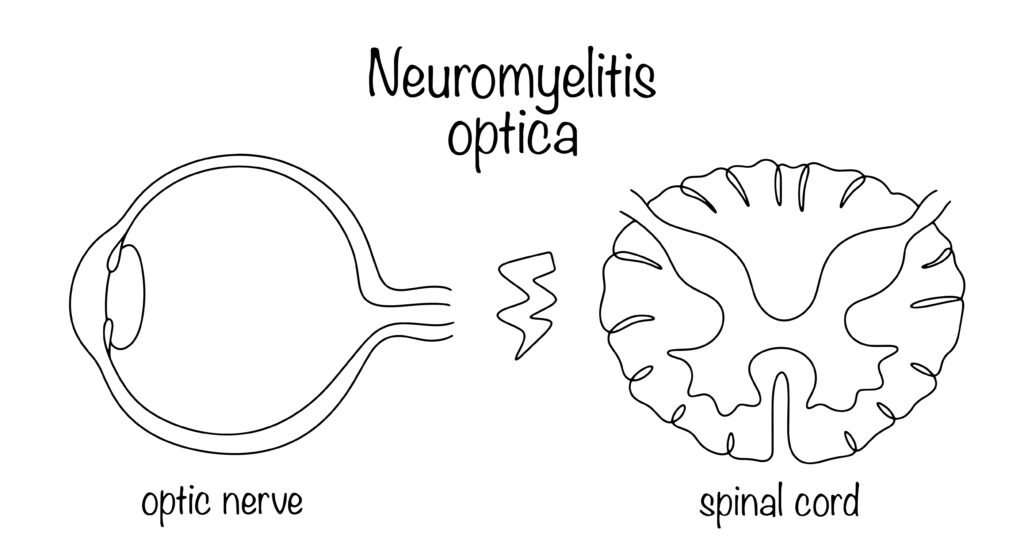
Neuromyelitis Optica, also called NMO or Devic’s disease, is a rare autoimmune disorder in which the immune system attacks the optic nerves and spinal cord. This leads to sudden vision loss, weakness, numbness, and sometimes paralysis. Early diagnosis and personalized care are essential to prevent relapses, manage symptoms, and protect neurological function.
Common Risk Factors
Autoimmune Response
The immune system mistakenly targets the myelin in the optic nerves and spinal cord, causing inflammation and damage.
Genetic & Environmental Factors
Certain genes and environmental triggers may increase susceptibility, although the exact cause is not fully understood.
Medical Conditions
Patients with other autoimmune diseases, such as lupus or thyroid disorders, may have a higher risk.
Age & Gender
NMO can occur at any age but is more commonly diagnosed in women and adults between 30–40 years.
DIAGNOSTIC WORKUP
Clinical & Neurological Assessment + Laboratory Testing
Diagnosis begins with a detailed neurological evaluation, including assessment of vision, muscle strength, reflexes, and sensory function. MRI scans of the brain and spinal cord detect lesions and inflammation, while blood tests may identify antibodies such as aquaporin-4 (AQP4) that are specific to NMO. Additional lab work may rule out other autoimmune or neurological disorders. This comprehensive assessment ensures accurate diagnosis and forms the foundation for a personalized treatment plan.
Treatment Protocol
A Personalised Multi-Approach Plan — combining medications, therapy, lifestyle support, and advanced interventions.
Each plan is tailored to the type, severity, and frequency of NMO attacks, and is adjusted as the patient progresses to ensure optimal outcomes.
Medication Therapy
Immunosuppressive medications and corticosteroids are prescribed to reduce inflammation and prevent relapses. Additional drugs may be used to manage pain, muscle stiffness, or neurological symptoms.
Physical & Occupational Therapy
Targeted exercises and therapy programs help maintain muscle strength, improve coordination, and support daily functioning. Occupational therapy assists with tasks affected by weakness or mobility issues.
Lifestyle & Support Programs
Structured routines, nutritional guidance, stress management, and caregiver support enhance overall well-being and reduce relapse risk.
Advanced Interventions
In select cases, plasma exchange (plasmapheresis) or intravenous immunoglobulin (IVIG) therapy may be used during acute attacks to quickly reduce immune activity and protect nerves.
Together, these interventions work on the immune system, nervous system, and functional abilities, helping patients manage symptoms, reduce relapses, and maintain independence.
| What Makes Our Practice Different | |||||
|---|---|---|---|---|---|
|
Personalised Protocols
Every plan tailored to the individual
|
Advanced Technology
Cutting-edge non-invasive therapeutic science
|
Mechanism-Based Care
We treat biology, not just symptoms
|
23+ Years Experience
Decades of specialist clinical wisdom
|
Whole Person Approach
Mind, body & lifestyle integrated
|
Objective Outcomes
Measurable results — not just relief
|