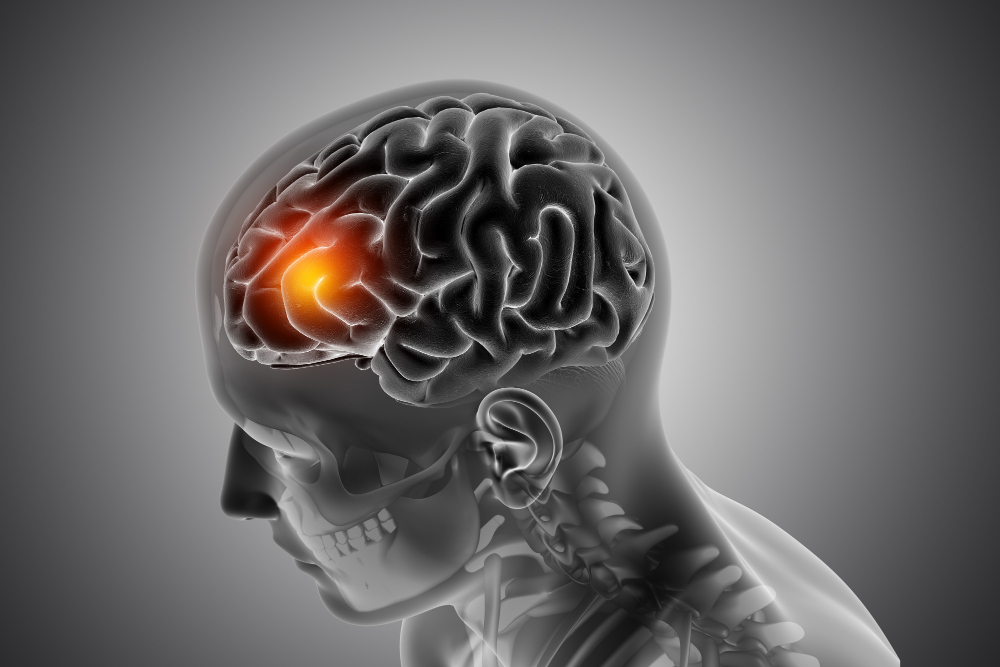
What Are Brain Tumours?
Brain tumours are abnormal growths of cells in the brain. These growths can be either non-cancerous (benign) or cancerous (malignant). Because the brain controls many body functions, any tumour can cause problems. Understanding brain tumours helps people spot symptoms early and seek the right care. According to the World Health Organization (WHO), brain tumours can affect people of any age. However, early detection and treatment can improve outcomes.
Types of Brain Tumours
There are many types of brain tumours. Some start in the brain, while others spread from other parts of the body. For example, a tumour that begins in the brain is called a primary brain tumour. On the other hand, a tumour that spreads to the brain from somewhere else is called a secondary or metastatic tumour.
Common Symptoms
Brain tumours can cause many symptoms. Sometimes, symptoms depend on the tumour’s size and location. For instance, a tumour pressing on certain brain areas may affect movement or speech. Early signs can be mild, but they may get worse over time.
If you notice these symptoms, it is important to see a doctor soon.
Causes and Risk Factors
Doctors do not always know what causes brain tumours. However, some factors can raise the risk. For example, exposure to high doses of radiation can increase risk. In addition, a family history of brain tumours may play a role. Most brain tumours are not linked to inherited genes.
Still, many people with brain tumours have no known risk factors.
Diagnosis Methods
Doctors use several tests to find brain tumours. First, they ask about symptoms and do a physical exam. Next, they may order imaging tests. These tests help doctors see the brain and spot abnormal growths.
Early diagnosis can help guide the best treatment plan.
Treatment Options
Treatment for brain tumours depends on the type, size, and location of the tumour. Doctors may use one or more treatments together. For example, surgery is often the first step if the tumour can be safely removed. In some cases, other treatments are needed.
Doctors will discuss the best options for each person. Sometimes, treatment can help control symptoms even if the tumour cannot be removed completely.
Living with a Brain Tumour
Living with a brain tumour can be challenging. However, many people find support from family, friends, and healthcare teams. Regular check-ups help track progress and manage side effects. In addition, physical therapy, speech therapy, or counseling may help improve quality of life.
Remember, you are not alone. Many resources are available to help you cope.
Prevention and Early Detection
There is no sure way to prevent brain tumours. Still, avoiding unnecessary exposure to radiation can lower risk. Also, knowing the early signs and seeking medical help quickly can make a big difference. Regular health check-ups are important, especially if you have risk factors.
Early detection often leads to better treatment results.
Consult a neurologist or neurosurgeon for personalized advice about brain tumors.