Hemifacial Spasm & Blepharospasm
- Home
- Conditions Treated
- Hemifacial Spasm & Blepharospasm
Hemifacial Spasm & Blepharospasm Treatment
Involuntary facial movements — whether unilateral twitching or forced eyelid closure — are
distressing and socially disabling. Personalised botulinum toxin injection, refined over 23+ years, is
the gold-standard treatment and the cornerstone of our expertise.
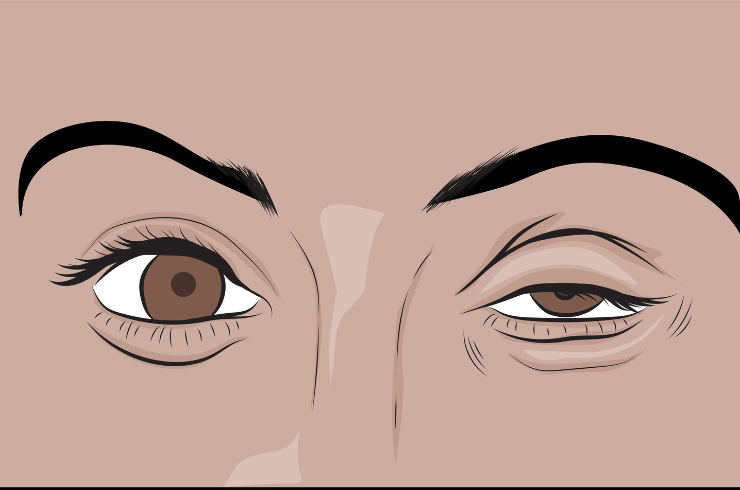
HEMIFACIAL SPASM
Unilateral facial twitching
Caused by vascular compression of the facial nerve root — producing involuntary rhythmic contractions starting around the eye and progressively involving the entire half of the face and cannot be voluntarily suppressed.
BLEPHAROSPASM
Bilateral forced eye closure
A focal dystonia of the orbicularis oculi — producing repetitive, involuntary and sometimes forceful closure of both eyelids. In severe cases it causes functional blindness despite intact vision. A central movement disorder arising from basal ganglia dysfunction
DIAGNOSIS
Both conditions are primarily clinical diagnoses made by an experienced neurologist observing the pattern and
character of involuntary movements. MRI with neurovascular sequences identifies vascular compression of the facial
nerve in hemifacial spasm and excludes secondary structural causes in blepharospasm.
Clinical Examination + Weight-bearing X-ray
Diagnosis is established through clinical assessment of the characteristic heel pain pattern and calcaneal insertion
tenderness. Weight-bearing X-rays confirm the diagnosis, document the degree of spur formation and fascial
calcification, and provide the baseline against which post-treatment imaging is compared to demonstrate calcification
disappearance.
Treatment
Personalised botulinum toxin injection — gold standard, expertly delivered
0
+
Years of personalised botulinum toxin facial injection experience — muscle selection, dosing,
and technique refined across thousands of cases.
Targeted Neuromuscular Blockade — personalised to each patient's spasm pattern
Botulinum toxin is injected in precisely calibrated doses into the overactive facial muscles responsible for spasm — personalised to the patient’s specific distribution and severity. In hemifacial spasm, periorbital and lower facial muscles are targeted. In blepharospasm, the upper and lower orbicularis oculi are injected bilaterally. The result is temporary, controlled muscle relaxation lasting 3–4 months.
Still faces. Open eyes. Restored confidence.
For patients living with the relentless, visible distress of hemifacial spasm or blepharospasm, personalised botulinum
toxin injection delivers transformation beyond symptom control. The stillness of the face, the ability to keep eyes open
and make eye contact — these are the outcomes that matter. 23+ years of experience ensures the precision this
delicate procedure demands.
| What Makes Our Practice Different | |||||
|---|---|---|---|---|---|
|
Personalised Protocols
Every plan tailored to the individual
|
Advanced Technology
Cutting-edge non-invasive therapeutic science
|
Mechanism-Based Care
We treat biology, not just symptoms
|
23+ Years Experience
Decades of specialist clinical wisdom
|
Whole Person Approach
Mind, body & lifestyle integrated
|
Objective Outcomes
Measurable results — not just relief
|
Mood Disorder Treatment

Mood disorders are complex mental health conditions that disrupt emotional stability, often leading to persistent sadness, irritability, or intense mood fluctuations. Common conditions include depression, bipolar disorder, and anxiety-related mood changes, all of which can significantly impact one’s personal,
Comprehensive Evaluation by Dr. Sreekanth Vemula
Every recovery journey begins with a detailed clinical and neurological assessment by Dr. Sreekanth Vemula, a senior neurophysician with over 26 years of experience in treating neurological and neuropsychiatric disorders.
His evaluation includes:
- In-depth review of medical and emotional history
- Neurological and psychological function testing
- Identification of biochemical or structural brain factors influencing mood
This precise assessment ensures an accurate diagnosis and a fully personalized care plan.
Integrated Mood Disorder Treatment Approach
Treatment is comprehensive and tailored to each patient’s needs.
It may include:
- Medication therapy for mood stabilization and symptom control
- Psychotherapy and counseling for emotional regulation and coping skills
- Lifestyle and stress-management programs to improve resilience
- Neuromodulation therapies (when indicated) to balance brain activity and enhance emotional stability
For patients experiencing mood-related neurological symptoms such as muscle tension or dystonia, Botulinum Toxin (Botox) injections are available to improve comfort and mobility.
Services
- Epilepsy
- Dystonias
- Mood Disorders
- Vertigo
- Tinnitus
- Balance Disorders
- Obstructive Sleep Apnea
- Peripheral Neuropathy
- Migraine
- Stroke
- Trigeminal Neuralgia
- Alzheimers
- Parkinson's Disease
- Myasthenia Gravis
- Meningitis
- Bell’s Palsy
- Cerebral Palsy
- Brain Injury
- Head Injury
- Restless Leg Syndrome
- Periodic Paralysis
- Scalp Cirsoid Aneurysm
- Krabbe Disease
- Fibromyalgia