Scalp Cirsoid Aneurysm
- Home
- Conditions Treated
- Scalp Cirsoid Aneurysm
Scalp Cirsoid Aneurysm Treatment
A scalp cirsoid aneurysm is a rare vascular condition in which abnormal blood vessel connections form on the scalp, creating a pulsating mass. These aneurysms can lead to cosmetic deformity, headaches, pain, or bleeding. Early diagnosis and personalized care are important to manage symptoms, prevent complications, and restore normal scalp appearance and function.
Common Risk Factors
Trauma
Previous injury to the scalp can lead to abnormal vessel formation.
Congenital & Vascular Factors
Some individuals may be born with vascular malformations that predispose them to cirsoid aneurysms.
Surgical or Medical History
Prior scalp surgeries or procedures may contribute to abnormal vessel development.
DIAGNOSTIC WORKUP
Clinical & Neurological Assessment + Imaging
Diagnosis begins with a detailed clinical examination of the scalp mass, including assessment of pulsation, tenderness, and size. Imaging studies such as Doppler ultrasound, CT angiography, or MR angiography are used to map the abnormal vessels, evaluate blood flow, and plan treatment. This comprehensive evaluation ensures an accurate diagnosis and forms the foundation of a personalized treatment plan.
Treatment Protocol
A Personalised Multi-Approach Plan — combining medications, therapy, and interventional procedures.
Each plan is tailored based on the size, location, and severity of the aneurysm.
Medication Therapy
Pain relievers or anti-inflammatory medications may be prescribed to manage discomfort or swelling.
Endovascular or Surgical Intervention
Treatment often involves surgical excision or endovascular procedures to remove or occlude the abnormal vessels safely. The approach is customized depending on the anatomy and flow pattern of the aneurysm.
Supportive Care & Rehabilitation
Post-procedure care includes wound management, monitoring for recurrence, and gradual resumption of activities. Cosmetic considerations may also be addressed through reconstructive techniques if necessary.
Together, these interventions work on the vascular system and scalp tissue, helping reduce pain, prevent complications, restore appearance, and maintain scalp health.
| What Makes Our Practice Different | |||||
|---|---|---|---|---|---|
|
Personalised Protocols
Every plan tailored to the individual
|
Advanced Technology
Cutting-edge non-invasive therapeutic science
|
Mechanism-Based Care
We treat biology, not just symptoms
|
23+ Years Experience
Decades of specialist clinical wisdom
|
Whole Person Approach
Mind, body & lifestyle integrated
|
Objective Outcomes
Measurable results — not just relief
|
What is Scalp Cirsoid Aneurysm?
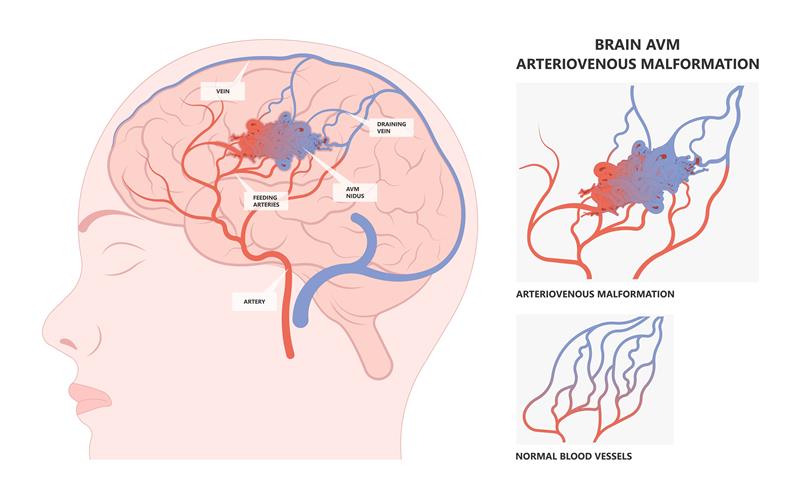
A scalp cirsoid aneurysm is a rare, abnormal connection between the arteries and veins in the scalp, causing an enlargement or swelling in the affected area. This condition is typically caused by an abnormal cluster of blood vessels that form an arteriovenous malformation (AVM). The condition is often characterized by the formation of a pulsatile mass or lump on the scalp, which can be felt or seen, and can sometimes cause bleeding or discomfort.
A scalp cirsoid aneurysm may not always cause noticeable symptoms, but in severe cases, it can lead to complications such as excessive bleeding, discomfort, or even vision disturbances if left untreated.
Symptoms of Scalp Cirsoid Aneurysm
The symptoms of a scalp cirsoid aneurysm vary depending on the size and location of the aneurysm, but common signs include:
- Pulsatile Lump or Mass: The most noticeable symptom is the presence of a pulsating lump or mass on the scalp. This mass is often soft and may feel tender to the touch.
- Visible Blood Vessels: The area surrounding the aneurysm may show visible blood vessels or a network of veins.
- Bleeding: In some cases, the aneurysm can rupture, leading to profuse bleeding from the scalp.
- Discomfort or Pain: While the condition is typically not painful, the pulsating lump may cause mild discomfort or irritation, especially if it is touched or bumped.
- Increased Pulsation: The mass may pulse in rhythm with the heartbeat, and this pulsation may be noticeable.
What Causes Scalp Cirsoid Aneurysm?
The exact cause of scalp cirsoid aneurysm is not always clear, but several factors can contribute to the development of the condition:
- Congenital Factors: In some cases, scalp cirsoid aneurysms are congenital, meaning they are present from birth due to abnormal development of blood vessels.
- Trauma or Injury: Head injuries or trauma can sometimes cause an AVM or aneurysm to form in the scalp.
- Increased Blood Flow: Conditions that cause increased blood flow, such as high blood pressure or certain vascular diseases, may contribute to the development of a scalp cirsoid aneurysm.
- Genetic Factors: In rare cases, genetic conditions that affect blood vessel formation can lead to the development of arteriovenous malformations, including in the scalp.
Treatment Options for Scalp Cirsoid Aneurysm
The treatment for scalp cirsoid aneurysm aims to reduce the risk of complications such as bleeding or infection and to improve the cosmetic appearance of the affected area. Treatment options include:
- Laser Treatment:
Laser therapy can sometimes be used to reduce the appearance of the aneurysm and associated blood vessels. It may be used in combination with other treatments. - Regular Monitoring:
In some cases, if the aneurysm is small and not causing significant symptoms, regular monitoring may be recommended to ensure it does not worsen over time.
When to Consult a Neurophysician for Scalp Cirsoid Aneurysm
If you notice a pulsatile lump, visible blood vessels, or experience discomfort or bleeding in your scalp, it is important to consult a neurophysician or a vascular specialist. Early diagnosis and intervention can prevent complications and improve outcomes.
Services
- Epilepsy
- Dystonias
- Mood Disorders
- Vertigo
- Tinnitus
- Balance Disorders
- Obstructive Sleep Apnea
- Peripheral Neuropathy
- Migraine
- Stroke
- Trigeminal Neuralgia
- Alzheimers
- Parkinson's Disease
- Myasthenia Gravis
- Meningitis
- Bell’s Palsy
- Cerebral Palsy
- Brain Injury
- Head Injury
- Restless Leg Syndrome
- Periodic Paralysis
- Scalp Cirsoid Aneurysm
- Krabbe Disease
- Fibromyalgia