Cerebral Palsy
- Home
- Conditions Treated
- Cerebral Palsy
Cerebral Palsy (CP) Treatment
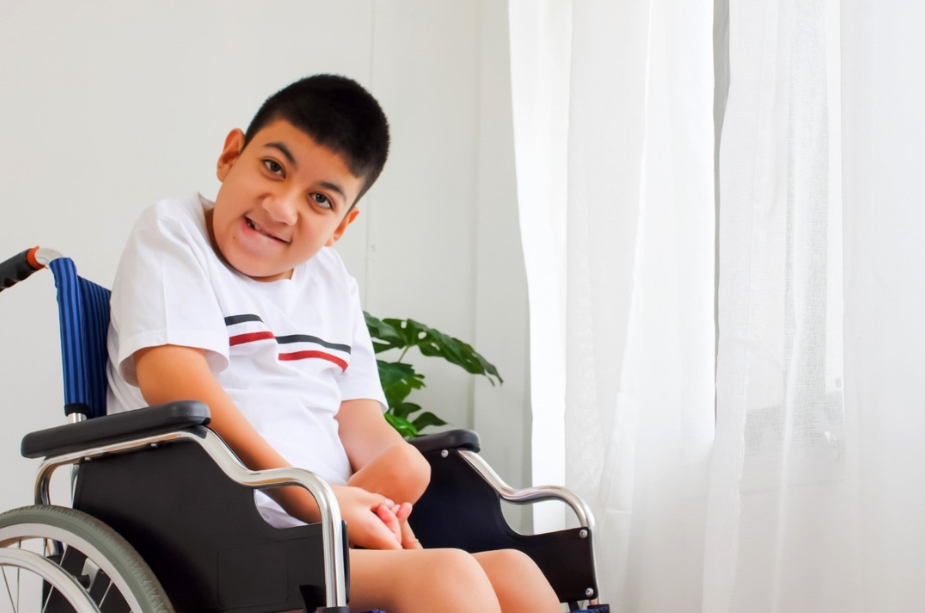
Cerebral Palsy (CP) is a group of neurological disorders that affect movement, muscle tone, and posture. It results from damage to the developing brain, often before or shortly after birth. CP can vary in severity, and while it is a lifelong condition, early diagnosis and comprehensive management can significantly improve mobility, independence, and quality of life. Personalized care combines medications, therapy, lifestyle strategies, and supportive interventions to optimize function and daily living.
Common Risk Factors
Biological
Brain injury during development, genetic factors, or abnormal brain formation may contribute to CP.
Medical & Neurological
Premature birth, low birth weight, infections, or complications during pregnancy and delivery can increase risk.
Environmental & Lifestyle
Exposure to toxins, insufficient prenatal care, or traumatic birth events may play a role.
DIAGNOSTIC WORKUP
Clinical & Neurological Assessment + Functional Testing
A detailed evaluation assesses muscle tone, reflexes, coordination, and developmental milestones. Functional testing evaluates motor skills, posture, and mobility, while neurological exams identify areas of weakness or spasticity. Imaging and lab tests may be performed to detect structural or metabolic factors. This comprehensive assessment ensures an accurate diagnosis and helps design a fully personalized care plan.
Treatment Protocol
A Personalised Multi-Approach Plan — combining medications, therapy, lifestyle support, and assistive interventions
Each plan is customized to the type and severity of cerebral palsy, underlying neurological involvement, and individual patient needs. Treatments are continuously adjusted as progress is made to achieve optimal outcomes.
Medication Therapy
Prescribed to manage muscle stiffness, spasms, or associated neurological symptoms, supporting mobility and comfort.
Physical & Occupational Therapy
Targeted exercises improve strength, coordination, balance, and fine motor skills, helping patients achieve greater independence in daily activities.
Speech & Language Therapy
Helps patients with communication difficulties improve clarity, expression, and social interaction.
Lifestyle & Support Programs
Structured routines, adaptive physical activities, nutritional guidance, and caregiver support enhance overall well-being and quality of life.
Together, these interventions address neurological, muscular, and functional levels, helping patients improve mobility, independence, and daily living.
| What Makes Our Practice Different | |||||
|---|---|---|---|---|---|
|
Personalised Protocols
Every plan tailored to the individual
|
Advanced Technology
Cutting-edge non-invasive therapeutic science
|
Mechanism-Based Care
We treat biology, not just symptoms
|
23+ Years Experience
Decades of specialist clinical wisdom
|
Whole Person Approach
Mind, body & lifestyle integrated
|
Objective Outcomes
Measurable results — not just relief
|
What is Cerebral Palsy?
Cerebral Palsy (CP) is a group of disorders that affect movement, posture, and muscle coordination. It is caused by damage to the brain during its development, either before or during birth, or in early childhood. The brain injury disrupts the normal development of motor skills and can lead to difficulties with muscle control, leading to problems with movement and coordination. Cerebral Palsy is not a disease that gets worse over time, but its symptoms may vary from mild to severe.
Symptoms of Cerebral Palsy
The symptoms of Cerebral Palsy vary widely depending on the type and severity. Common signs and symptoms include:
- Difficulty with Movement: This can include trouble with balance, walking, or using the hands and arms. Children may have trouble sitting up, standing, or walking without support.
- Muscle Tightness or Spasticity: This refers to muscles becoming stiff and hard to move, making movement difficult.
- Involuntary Movements: Some children may experience uncontrollable movements, such as jerking or twisting motions.
- Delayed Developmental Milestones: Children with CP may experience delays in milestones such as sitting, crawling, or walking.
- Difficulty with Coordination: Tasks that require coordination, like speaking clearly or feeding themselves, may be challenging.
- Seizures: Seizures are common in children with Cerebral Palsy, and some may have multiple seizures throughout their life.
- Speech and Hearing Issues: Some individuals with CP may have difficulty speaking or may struggle with hearing.
The severity of symptoms depends on the extent of brain damage and the part of the brain that is affected.
What Causes Cerebral Palsy?
Cerebral Palsy is caused by brain injury or abnormal brain development, usually before or during birth or in early childhood. Some common causes include:
- Infections During Pregnancy: Infections such as rubella or cytomegalovirus in the mother can harm the developing brain of the baby.
- Premature Birth: Babies born before 37 weeks of pregnancy are at higher risk for Cerebral Palsy, as their brains may not be fully developed.
- Lack of Oxygen During Birth: If the baby does not get enough oxygen during delivery, brain damage can occur, leading to Cerebral Palsy.
- Head Injuries in Early Childhood: Severe head injuries due to accidents or falls can also cause Cerebral Palsy.
- Genetic Factors: In rare cases, genetic mutations or family history may contribute to the development of CP.
While many cases of Cerebral Palsy are caused by factors during pregnancy or birth, in some instances, the cause remains unknown.
Treatment Options for Cerebral Palsy
While there is no cure for Cerebral Palsy, treatments can help improve the quality of life and reduce symptoms. A multidisciplinary approach that involves doctors, therapists, and support services can make a significant difference. Treatment options include:
- Physical Therapy:
Physical therapy helps improve strength, flexibility, and coordination, making it easier to move and perform everyday tasks. - Occupational Therapy:
Occupational therapy focuses on helping individuals develop the skills needed for daily activities like dressing, feeding, and using utensils. - Speech Therapy:
For children with speech and communication difficulties, speech therapy can help improve their ability to speak and understand language. - Medications:
Medications can be used to help manage symptoms like muscle spasticity, pain, or seizures. These medications may help improve muscle control and coordination. - Assistive Devices:
Tools like braces, wheelchairs, or communication devices may be recommended to help improve mobility and independence. - Surgery:
In some cases, surgery may be necessary to correct musculoskeletal problems, such as tight muscles or bone deformities, or to help improve movement.
When to Consult a Neurophysician for Cerebral Palsy
If you notice signs of delayed development or movement difficulties in your child, it’s important to consult a neurophysician. Early diagnosis and treatment can make a significant difference in managing symptoms and improving the child’s quality of life.
Services
- Epilepsy
- Dystonias
- Mood Disorders
- Vertigo
- Tinnitus
- Balance Disorders
- Obstructive Sleep Apnea
- Peripheral Neuropathy
- Migraine
- Stroke
- Trigeminal Neuralgia
- Alzheimers
- Parkinson's Disease
- Myasthenia Gravis
- Meningitis
- Bell’s Palsy
- Cerebral Palsy
- Brain Injury
- Head Injury
- Restless Leg Syndrome
- Periodic Paralysis
- Scalp Cirsoid Aneurysm
- Krabbe Disease
- Fibromyalgia