Meningitis
- Home
- Conditions Treated
- Meningitis
Meningitis Treatment
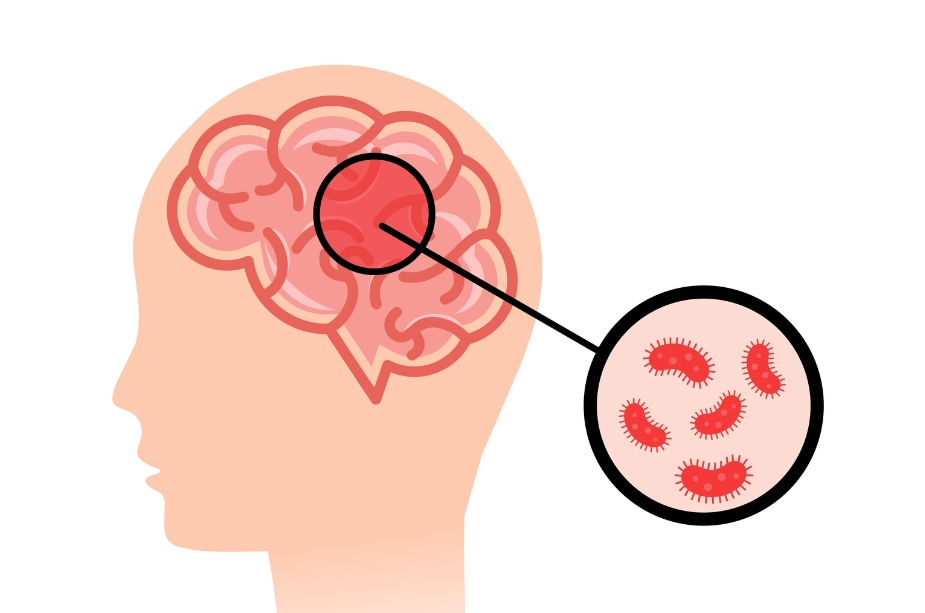
Meningitis is a serious condition in which the protective membranes covering the brain and spinal cord (meninges) become inflamed. It can be caused by bacterial, viral, or fungal infections and may lead to severe complications if not treated promptly. Early recognition and treatment are critical to prevent lasting neurological damage or life-threatening outcomes.
Common Risk Factors
Infections
Bacteria (e.g., Neisseria meningitidis, Streptococcus pneumoniae) and viruses (e.g., enteroviruses) are common causes.
Age & Immunity
Infants, young children, and older adults are at higher risk. Individuals with weakened immune systems are more susceptible.
Medical Conditions
Chronic illnesses, recent surgery, or head injuries can increase risk.
Lifestyle & Environment
Close living quarters, such as dorms or military barracks, can facilitate the spread of infectious agents.
DIAGNOSTIC WORKUP
Clinical & Neurological Assessment + Laboratory Testing
Diagnosis begins with a careful evaluation of symptoms, medical history, and physical examination. Neurological assessment checks reflexes, alertness, and signs of brain or spinal cord involvement.
Treatment Protocol
A Personalised Multi-Approach Plan — combining medications, supportive care, and monitoring.
Each plan is tailored to the type and severity of meningitis and adjusted as the patient progresses to ensure optimal recovery.
Medications
High-dose antibiotics are given immediately for bacterial meningitis, while antivirals or antifungals are used for viral or fungal cases. Anti-inflammatory medications help reduce swelling and nerve irritation.
Supportive Care
Hydration, fever management, and pain relief support recovery. Nutritional guidance and monitoring for complications such as seizures or neurological changes are included.
Monitoring & Complication Prevention
Patients are closely observed for changes in consciousness or neurological function, with treatments adjusted promptly to prevent long-term complications.
Lifestyle & Recovery Measures
Post-infection, rehabilitation and preventive strategies help restore strength and neurological function, while follow-up ensures long-term recovery and reduces recurrence risk.
Together, these interventions address infection, inflammation, and overall patient support, helping patients recover safely and return to daily activities effectively.
| What Makes Our Practice Different | |||||
|---|---|---|---|---|---|
|
Personalised Protocols
Every plan tailored to the individual
|
Advanced Technology
Cutting-edge non-invasive therapeutic science
|
Mechanism-Based Care
We treat biology, not just symptoms
|
23+ Years Experience
Decades of specialist clinical wisdom
|
Whole Person Approach
Mind, body & lifestyle integrated
|
Objective Outcomes
Measurable results — not just relief
|
What is Meningitis?
Meningitis is an infection that causes inflammation in the protective membranes (meninges) around the brain and spinal cord. This condition can cause serious symptoms, and if not treated quickly, it can be life-threatening. Meningitis can be caused by a viral, bacterial, or fungal infection, with bacterial meningitis being the most severe.
Symptoms of Meningitis
Meningitis symptoms usually appear suddenly and can get worse quickly. Common signs include:
- Severe Headache: A headache that feels much worse than usual.
- Stiff Neck: Difficulty in moving your neck or pain when trying to touch your chin to your chest.
- Fever: A high fever that often comes with chills.
- Nausea and Vomiting: Feeling sick to your stomach and vomiting.
- Sensitivity to Light: Bright lights may hurt or feel uncomfortable.
- Confusion: Difficulty thinking clearly or staying awake, sometimes leading to unconsciousness.
- Rash: In some cases, especially with bacterial meningitis, a rash may appear.
In infants, the symptoms might include irritability, poor feeding, and a bulging soft spot on their head.
What Causes Meningitis?
Meningitis can be caused by several different factors, including:
- Bacterial Infections: Bacterial meningitis is the most severe and can progress quickly. It’s often caused by infections like Neisseria meningitidis or Streptococcus pneumoniae.
- Viral Infections: Viral meningitis is more common and usually less severe, often caused by enteroviruses, herpes simplex, or mumps.
- Fungal Infections: Rare, but fungal infections like Cryptococcus can lead to meningitis, especially in people with weakened immune systems.
- Non-Infectious Causes: Meningitis can also occur as a result of injury, cancer, or certain medications.
Treatment Options for Meningitis
Treatment for meningitis depends on the cause of the infection. The goal is to reduce symptoms, treat the infection, and prevent complications:
- Antibiotics: For bacterial meningitis, antibiotics are used to treat the infection. Early treatment is essential to avoid complications.
- Antiviral Medications: In cases of viral meningitis, antiviral medications may be used, though they are not always needed.
- Supportive Care: Patients may need rest, hydration, and medications to manage fever and pain.
When to Consult a Neurophysician for Meningitis
If you notice any symptoms of meningitis, such as a severe headache, stiff neck, fever, or confusion, it’s important to seek immediate medical attention. Early treatment can improve recovery and reduce the risk of serious complications.
Services
- Epilepsy
- Dystonias
- Mood Disorders
- Vertigo
- Tinnitus
- Balance Disorders
- Obstructive Sleep Apnea
- Peripheral Neuropathy
- Migraine
- Stroke
- Trigeminal Neuralgia
- Alzheimers
- Parkinson's Disease
- Myasthenia Gravis
- Meningitis
- Bell’s Palsy
- Cerebral Palsy
- Brain Injury
- Head Injury
- Restless Leg Syndrome
- Periodic Paralysis
- Scalp Cirsoid Aneurysm
- Krabbe Disease
- Fibromyalgia