Advanced Dystonia Treatment & Care in Hyderabad
- Home
- Conditions Treated
- Dystonias
Dystonia Treatment in Hyderabad
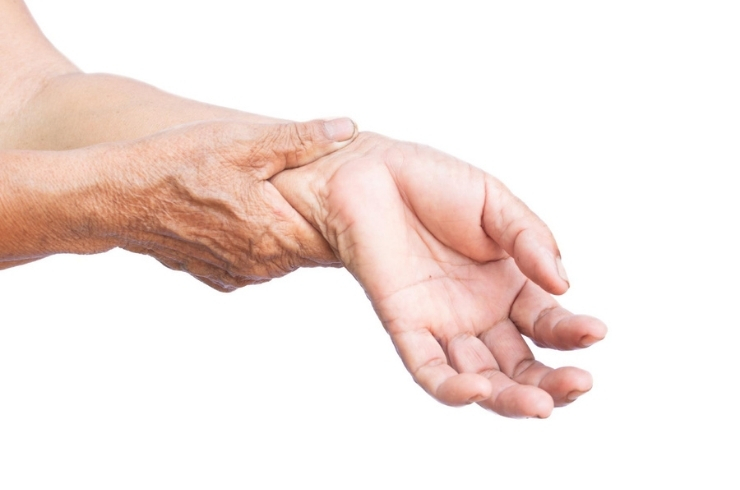
Dystonia is a neurological movement disorder where muscles contract involuntarily, causing twisting, repetitive movements, or unusual postures. It can affect the neck, face, arms, legs, or trunk — interfering with daily activities, work, and social life. We provide personalized care using a combination of medications, targeted injections, therapy, and rehabilitation to improve function and quality of life.
Common Risk Factors
Genetic
Some forms of dystonia are inherited, caused by gene changes that affect muscle control.
Acquired
May result from brain injuries, stroke, infections, or exposure to certain medications that affect nerve function.
Idiopathic
Sometimes the cause is unknown, with no identifiable reason despite detailed testing.
SYMPTOMS
Involuntary muscle contractions or spasms
Twisting or repetitive movements
Abnormal postures of neck, face, arms, legs, or trunk
Tremors, cramps, or muscle stiffness
Difficulty with daily tasks, walking, or work-related movements
DIAGNOSTIC WORKUP
Clinical Examination + EMG + Nerve Tests
A detailed neurological assessment evaluates muscle tone, movement patterns, reflexes, and coordination. EMG and nerve conduction studies (NCS) help confirm the type, location, and severity of dystonia. Additional tests may identify underlying causes such as genetic or acquired conditions.
Treatment Protocol
A Personalised Multi-Approach Plan — combining medications, targeted injections, therapy, and rehabilitation.
Each plan is tailored to your type of dystonia, severity, and underlying cause. We adjust treatments as you progress to ensure the best results.
Medications
Oral medicines help control muscle activity and reduce involuntary contractions.
Botulinum Toxin (Botox) Injections
Targeted injections relax overactive muscles, especially for the neck, eyes, or hands.
Physiotherapy & Occupational Therapy
Exercises improve posture, movement, and coordination, making daily activities easier.
Neuromodulation & Rehabilitation
Advanced therapies and long-term rehabilitation support chronic cases and help restore function.
Together, these therapies work on your muscles, nerves, and brain — reducing discomfort, improving mobility, and helping you regain independence.
SYMPTOMS — addressed at every level
Patients experience meaningful improvement in muscle control, reduction in spasms, better posture, and more confidence in walking, work, and daily tasks. This personalized approach addresses dystonia at multiple levels — muscular, neurological, and functional — producing outcomes that no single therapy can achieve alone.
| What Makes Our Practice Different | |||||
|---|---|---|---|---|---|
|
Personalised Protocols
Every plan tailored to the individual
|
Advanced Technology
Cutting-edge non-invasive therapeutic science
|
Mechanism-Based Care
We treat biology, not just symptoms
|
23+ Years Experience
Decades of specialist clinical wisdom
|
Whole Person Approach
Mind, body & lifestyle integrated
|
Objective Outcomes
Measurable results — not just relief
|
Dystonias Treatment
Dystonia is a neurological movement disorder marked by involuntary muscle contractions, leading to repetitive movements, twisting, or abnormal postures. It can affect the neck, face, arms, legs, or trunk, often interfering with daily life, work, and social activities.
Dr. Sreekanth Vemula, a leading neurology specialist in Hyderabad offers specialized and comprehensive care for all forms of dystonia.
Causes & Symptoms
- Can be genetic, acquired, or idiopathic (unknown cause)
- May result from brain injuries, stroke, infections, or certain medications
- Common symptoms include tremors, muscle cramps, or sustained contractions that impact mobility and comfort
Early diagnosis is crucial to prevent progression and improve quality of life.
Comprehensive Evaluation by Dr. Sreekanth Vemula
- 26+ years of experience as a senior neurologist and movement disorder specialist in Hyderabad
- Thorough neurological assessments, EMG and NCS tests for precise diagnosis
- Personalized treatment plans for each patient’s needs
Effective Dystonia Treatment in Hyderabad
Our treatment options are safe, evidence-based, and designed to restore function:
- Oral medications to control muscle activity
- Botulinum toxin (Botox) injections for focal dystonias (cervical dystonia, blepharospasm, writer’s cramp)
- Physiotherapy & occupational therapy for posture and movement improvement
- Neuromodulation techniques and long-term rehabilitation for chronic cases
We also offer online consultations for patients who prefer remote follow-ups.
Services
- Epilepsy
- Dystonias
- Mood Disorders
- Vertigo
- Tinnitus
- Balance Disorders
- Obstructive Sleep Apnea
- Peripheral Neuropathy
- Migraine
- Stroke
- Trigeminal Neuralgia
- Alzheimers
- Parkinson's Disease
- Myasthenia Gravis
- Meningitis
- Bell’s Palsy
- Cerebral Palsy
- Brain Injury
- Head Injury
- Restless Leg Syndrome
- Periodic Paralysis
- Scalp Cirsoid Aneurysm
- Krabbe Disease
- Fibromyalgia