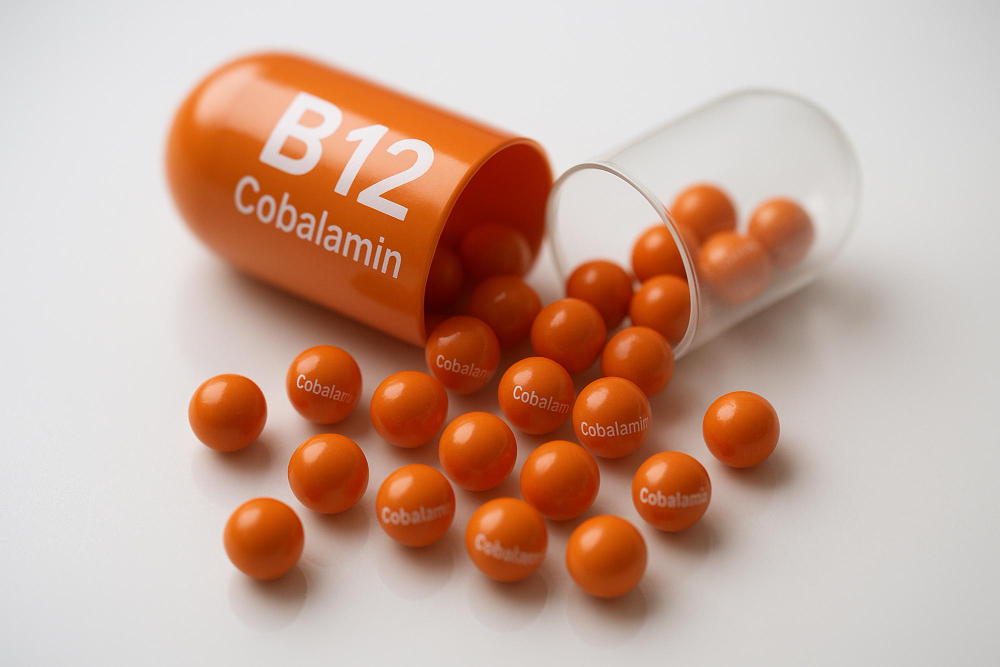
What is Vitamin B12 and Why is it Important for the Brain?
Vitamin B12 is a key nutrient your body needs. It helps make red blood cells and keeps your nerves healthy. Most people get B12 from foods like meat, eggs, and dairy. However, some people do not get enough. Without enough B12, your brain and nerves can suffer. In fact, vitamin B12 and brain function are closely linked. This vitamin helps your brain send signals and keeps your memory sharp. Therefore, a lack of B12 can lead to serious problems over time.
How B12 Deficiency Affects Brain Health
B12 deficiency is often called a “secret brain killer” because its effects can be slow and hidden. At first, you may not notice any changes. But over time, low B12 can cause neurological damage. For example, you might have trouble thinking clearly. Some people feel confused or forgetful. Others may have mood changes or even depression. If left untreated, B12 deficiency can lead to memory loss and cognitive decline. According to the CDC, untreated B12 deficiency can cause lasting nerve damage.
Common Symptoms and Warning Signs
Early signs of B12 deficiency in adults can be easy to miss. Still, it is important to watch for these symptoms:
Sometimes, these symptoms appear slowly. As a result, people may not connect them to B12 deficiency right away. If you notice any of these signs, it is wise to talk to your doctor.
Causes and Risk Factors for B12 Deficiency
Many things can cause low B12 levels. For instance, some people do not eat enough foods with B12. This is common in vegans or vegetarians. Others may have trouble absorbing B12 from food. This can happen with certain stomach or gut problems. Older adults are also at higher risk. In some cases, medicines can lower B12 levels. For example, long-term use of acid blockers or diabetes drugs can affect B12 absorption. In the US, UK, and India, B12 deficiency is more common in people over 60.
Diagnosis: How is B12 Deficiency Detected?
Doctors can check for B12 deficiency with a simple blood test. This test measures the amount of B12 in your blood. Sometimes, doctors may also check for signs of anemia or nerve damage. If you have symptoms like memory loss or numbness, your doctor may order more tests. Early diagnosis is important. That way, you can start treatment before serious problems develop.
Treatment Options and Recovery
If you have B12 deficiency, treatment is usually simple. Most people need B12 supplements. These can be pills, shots, or even nasal sprays. Your doctor will choose the best option for you. Often, symptoms improve within weeks of starting treatment. However, nerve damage can take longer to heal. In some cases, it may not fully go away. Therefore, starting treatment early is best. According to the WHO, regular B12 supplements are safe and effective for most people.
Prevention Tips and Lifestyle Guidance
You can lower your risk of B12 deficiency with a few simple steps:
With these steps, you can protect your brain and nerve health.
Conclusion
B12 deficiency is a hidden threat to your brain. It can cause memory loss, nerve damage, and mood changes. But with early detection and treatment, most people recover well. If you notice any symptoms, consult a neurologist at Sreekanth Vemula’s Magna Neurology Clinic for personalized advice.